When Is Coughing in Pets a Concern?
Coughing in your dog or cat can be startling, especially when it happens suddenly or lasts longer than expected. At Pets R Us Aurora, we understand how much your pets mean to you, and we know how stressful it can be when your furry friend isn’t feeling well. Our full-service animal hospital in Aurora, CO is here to guide you through pet coughing causes, help you recognize when a cough might signal a more serious issue, and explain when it’s time to schedule a veterinary visit.
In this blog, you’ll learn about common reasons for coughing in both dogs and cats, signs that indicate a problem, and how our veterinary team can help. We will also discuss preventive steps and home care, as well as what to expect during your appointment at Pets R Us Aurora. If you’re searching for a “vet near me” that truly cares, our compassionate team is dedicated to serving pets throughout Aurora and surrounding communities, including Cherry Creek, Hilltop, and Lowry. Whether you’re concerned about a dry, hacking cough or a persistent, wet sound, understanding when to seek pet coughing treatment in Aurora is the first step in keeping your pet healthy and comfortable.
Recognizing When Your Pet’s Cough Is a Problem
Coughing can be normal on occasion, but persistent or severe coughing often points to an underlying issue that needs attention. It’s important for pet owners to observe the frequency, intensity, and nature of the cough. Key symptoms to watch for are coughing that lasts longer than a few days, coughs that sound harsh or honking, and situations where the cough interrupts eating, drinking, or sleeping. Additional warning signs include coughing up blood or mucus, labored breathing, blue-tinged gums, lethargy, loss of appetite, or collapse.
Coughing in dogs and cats may look different, but in both species, you should be concerned if the cough is accompanied by other symptoms such as nasal discharge, sneezing, fever, or a change in behavior. If your pet seems distressed or the cough worsens rapidly, it’s time to call your veterinary team. For pet owners seeking “pet coughing causes in Aurora,” knowing what to look for can empower you to act quickly and ensure your companion receives timely care.
Coughing in Dogs Versus Cats
Many dog owners notice that their pets cough after exercise or excitement, while cats might display more subtle signs, like quiet retching or frequent throat clearing. In both cases, if the cough is new, lasts more than a few days, or is getting worse, it’s important to reach out to your veterinarian near Aurora for an evaluation.
Common Causes of Coughing in Aurora Pets
Understanding why dogs and cats cough helps pet owners make informed decisions about their pet’s health. Pet coughing causes in Aurora range from mild irritations to more serious medical conditions.
In dogs, common reasons for coughing include respiratory infections such as kennel cough, which can spread easily in boarding or social settings, and irritants like dust, smoke, or pollen, especially during dry or windy Colorado seasons. Heart disease, particularly in older dogs, can also lead to chronic coughing. In some cases, anatomical problems like tracheal collapse or laryngeal paralysis may be involved. For more information on conditions such as laryngeal paralysis, our laryngeal paralysis in pets resource provides detailed insights into evaluation and treatment options.
Cats may cough due to respiratory infections, asthma, or exposure to allergens in the environment. Feline asthma is a significant cause of persistent coughing in cats, often triggered by dust, cigarette smoke, or scented household products. Heartworm disease, while less common in cats than in dogs, can also cause coughing and breathing difficulties.
Other potential causes in both dogs and cats include foreign bodies (like grass seeds or small objects), parasites such as lungworms, and even more serious issues like tumors or heart failure. Understanding these possibilities highlights the importance of professional veterinary diagnostics in Aurora for pinpointing the exact cause and guiding treatment.
Veterinary Treatment and Management for Coughing Pets
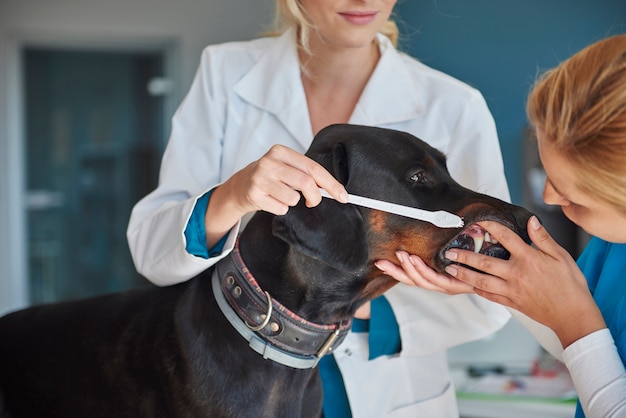
When you bring your pet to Pets R Us Aurora for coughing, our veterinarians begin with a thorough history and physical examination. We ask about the duration, type, and triggers of your pet’s cough, as well as any recent exposure to other animals or environmental changes. Diagnostic steps often involve listening to the lungs and heart, checking vital signs, and discussing your pet’s lifestyle.
To determine pet coughing causes in Aurora, our veterinary team may recommend advanced diagnostics such as chest radiographs (x-rays), bloodwork, heartworm testing, or even ultrasound imaging. These tools help us distinguish between infections, allergies, heart problems, or structural abnormalities.
Treatment approaches depend on the underlying cause. For example, a mild respiratory infection might be treated with antibiotics or cough suppressants. Allergic or asthmatic pets may benefit from anti-inflammatory medications, environmental modifications, or inhalers. Heart-related coughing often requires medications to support cardiac function and reduce fluid buildup. In some cases, surgical interventions, such as for airway obstructions or severe laryngeal paralysis, are necessary. Our emergency veterinary care page outlines what to expect if your pet’s coughing becomes a sudden or life-threatening concern, and how our team is prepared to respond.
Throughout the treatment process, we emphasize transparent communication, so you’ll always understand your pet’s diagnosis and have a plan for follow-up care. Pet owners searching for “dog coughing when to see vet in Aurora” can count on our veterinary professionals to provide compassionate, comprehensive support every step of the way.
What Happens During a Veterinary Visit for Coughing?
During your pet’s visit, you can expect a calm, thorough assessment. Our veterinarians may recommend monitoring at home after initial treatment, or schedule follow-up appointments to ensure your pet is recovering as expected. In more complex cases, such as persistent coughs that do not respond to initial therapy, advanced imaging or referrals to specialists may be considered. We strive to offer the best veterinary services near you, keeping your pet’s comfort and safety as our top priorities.
Prevention and Home Care for Coughing Pets
While not all causes of coughing can be prevented, there are important steps pet owners in Aurora can take to reduce the risk and support their pet’s respiratory health. Keeping your pet up to date on vaccinations, such as those for kennel cough and respiratory viruses, is essential. Regular wellness examinations allow our veterinary team to detect early signs of illness and recommend preventive measures tailored to your pet’s needs.
Limiting exposure to irritants is another key factor. Avoid smoking indoors, use unscented cleaning products, and ensure your home has good ventilation. For dogs, avoid using collars that put pressure on the neck, especially if your pet is prone to coughing. Maintaining a healthy weight and providing regular exercise also support lung and heart health.
If your pet is recovering from a respiratory illness, follow your veterinarian’s instructions carefully. For example, isolating your pet from other animals, administering prescribed medications, and monitoring for changes can make a significant difference. Pet owners searching for “pet coughing causes near me” should feel confident that with the right home care and veterinary support, most pets recover well from mild respiratory issues.
When to See the Veterinarian for Your Pet’s Cough
Deciding when a cough warrants a veterinary visit can be challenging. As a general guideline, you should schedule an appointment at Pets R Us Aurora if your pet’s cough lasts more than a few days, is severe or worsening, or is accompanied by other concerning symptoms such as labored breathing, loss of appetite, lethargy, or coughing up blood. Dogs that develop a sudden, honking cough or cats that begin wheezing or gasping for air should be seen promptly.
If you are ever unsure, our veterinary professionals are here to answer your questions and help you determine the best next steps. For owners searching “dog coughing when to see vet in Aurora,” it’s always better to err on the side of caution and consult with our experienced team. In urgent cases, such as difficulty breathing or collapse, immediate veterinary attention is critical. Our emergency veterinary care services are available for those unexpected situations.
Scheduling regular checkups for your pets allows us to monitor their overall health and catch potential problems early. Our goal is to provide quality veterinary services in Aurora that keep your pets healthy, happy, and safe year-round.
Take Action: Helping Your Pet Breathe Easy in Aurora
Coughing in pets can range from a minor annoyance to a sign of serious illness. By staying alert to changes in your pet’s behavior and seeking timely veterinary care, you can ensure your companion receives the best possible outcome. At Pets R Us Aurora, we are committed to providing comprehensive care, from wellness exams to advanced diagnostics and emergency services. Our goal is to be the “vet near me” that Aurora pet owners trust for all their veterinary needs.
If you notice your dog or cat coughing, don’t wait—schedule an appointment with our veterinary team at 10695 E Mississippi Ave, Aurora, CO 80012. Whether you’re concerned about pet coughing causes in Aurora or need advice on when to see a vet, our professionals are here to help. For urgent concerns or more information about our treatment options, visit our emergency veterinary care page.
Call us today at (720) 802-2353 to book your consultation and experience the peace of mind that comes with having a quality veterinary team by your side. Your pet’s health is our priority, and we’re proud to provide pet coughing care in Aurora and throughout the surrounding communities. If you have questions or need guidance, reach out to your veterinarian near me for support you can trust.
This blog is intended for informational purposes only and does not replace professional veterinary advice. Always consult your veterinarian for concerns about your pet’s health. For more resources on pet respiratory health, visit reputable sources such as the American Veterinary Medical Association or Cornell University College of Veterinary Medicine.